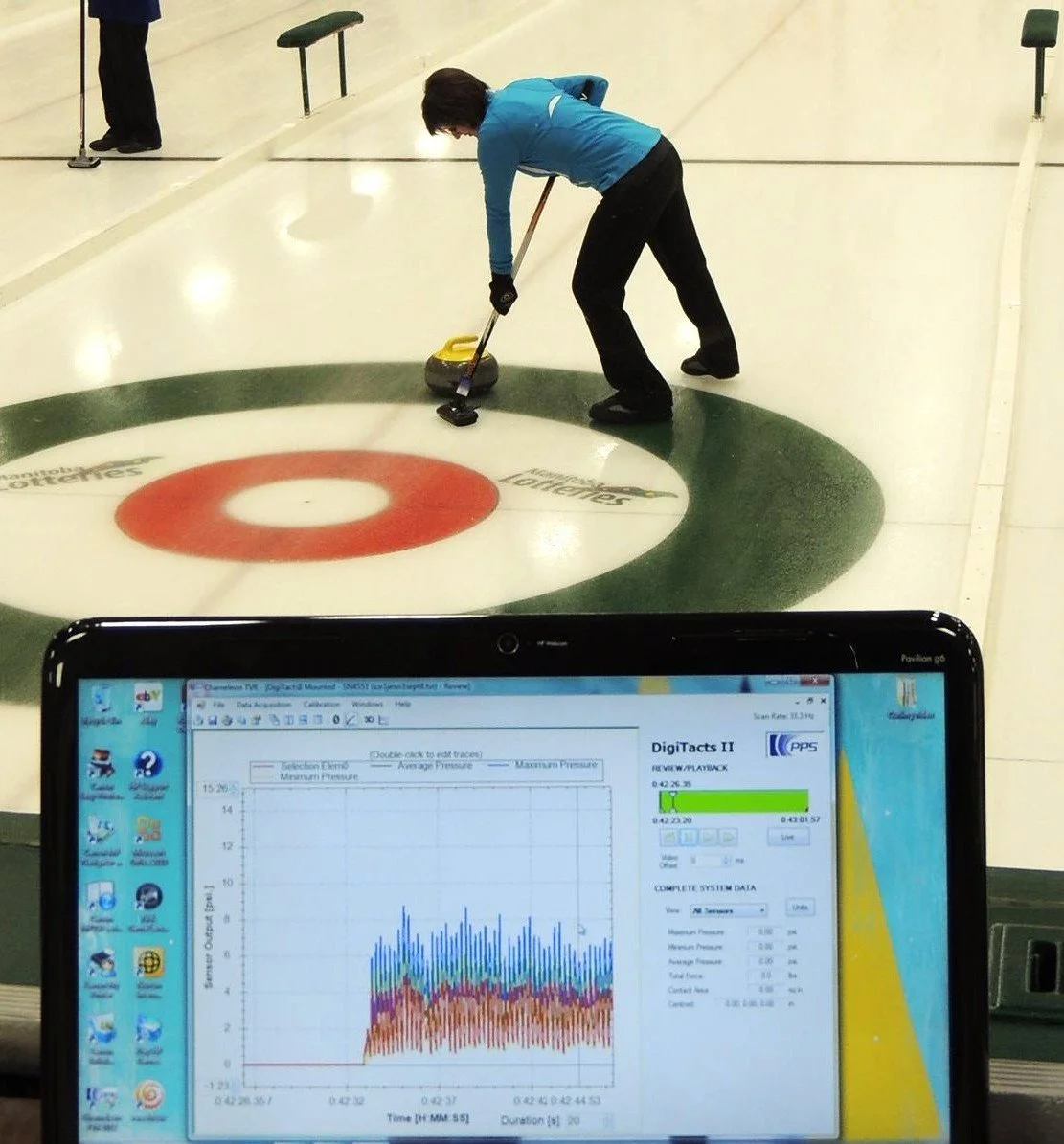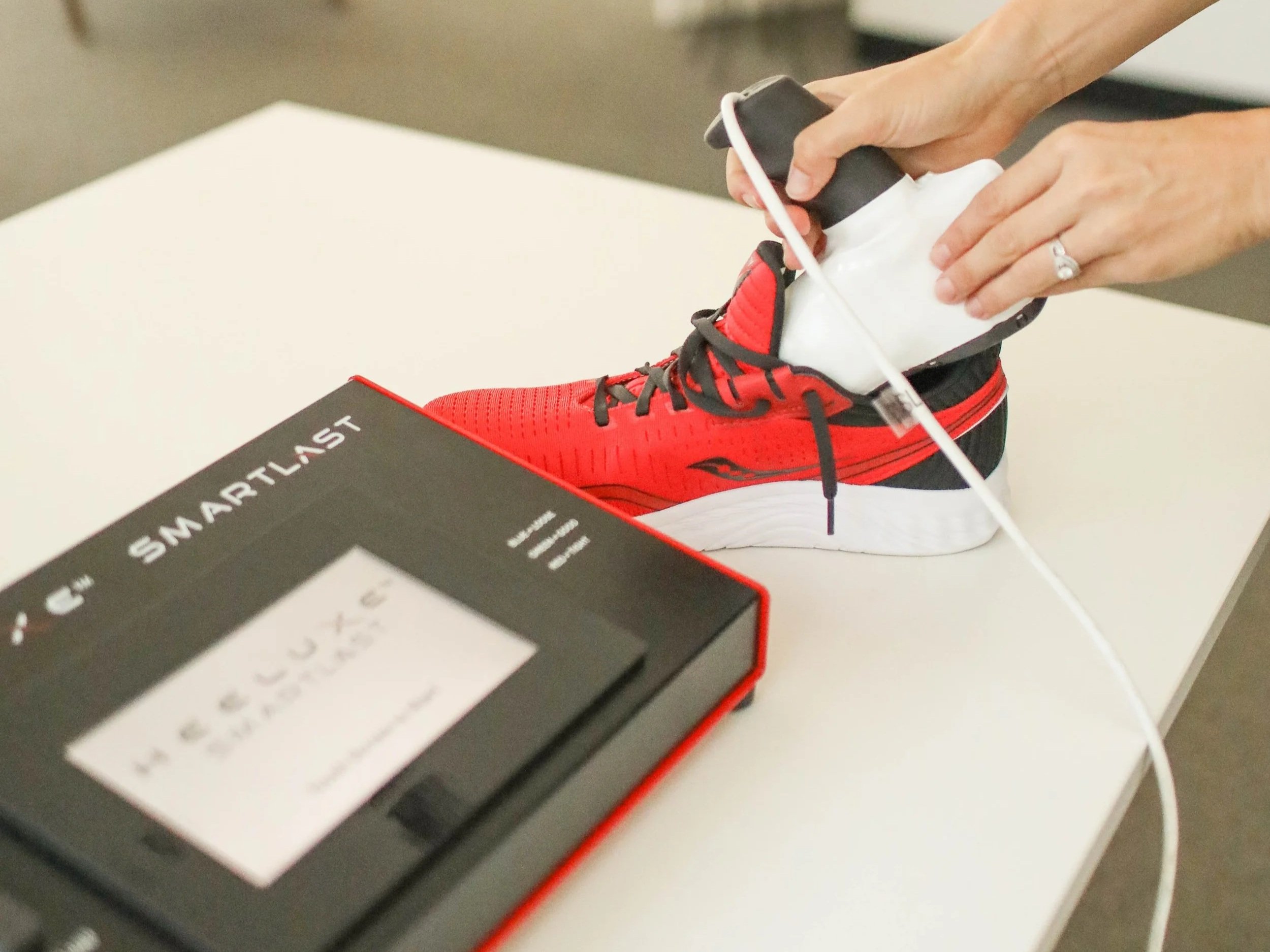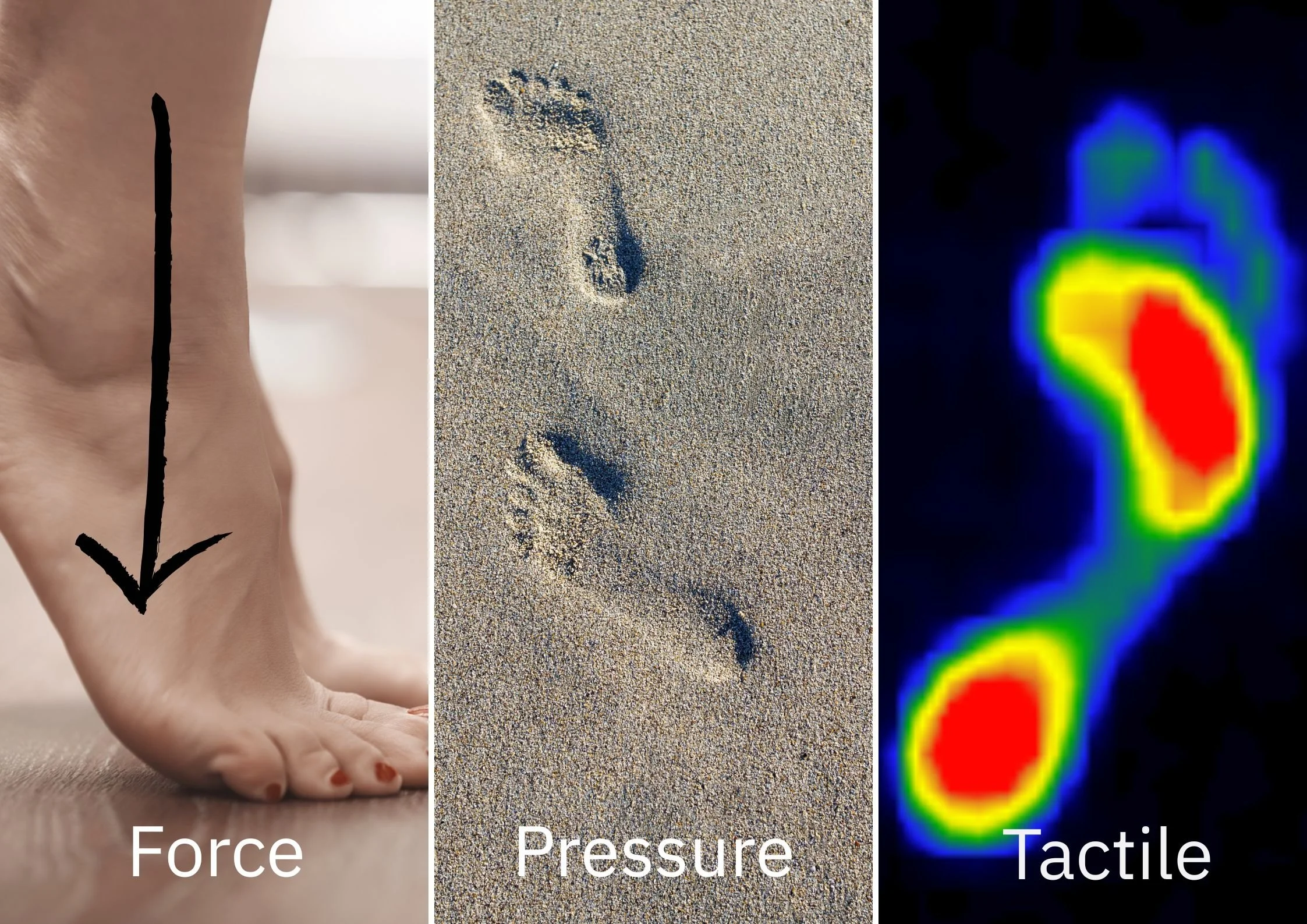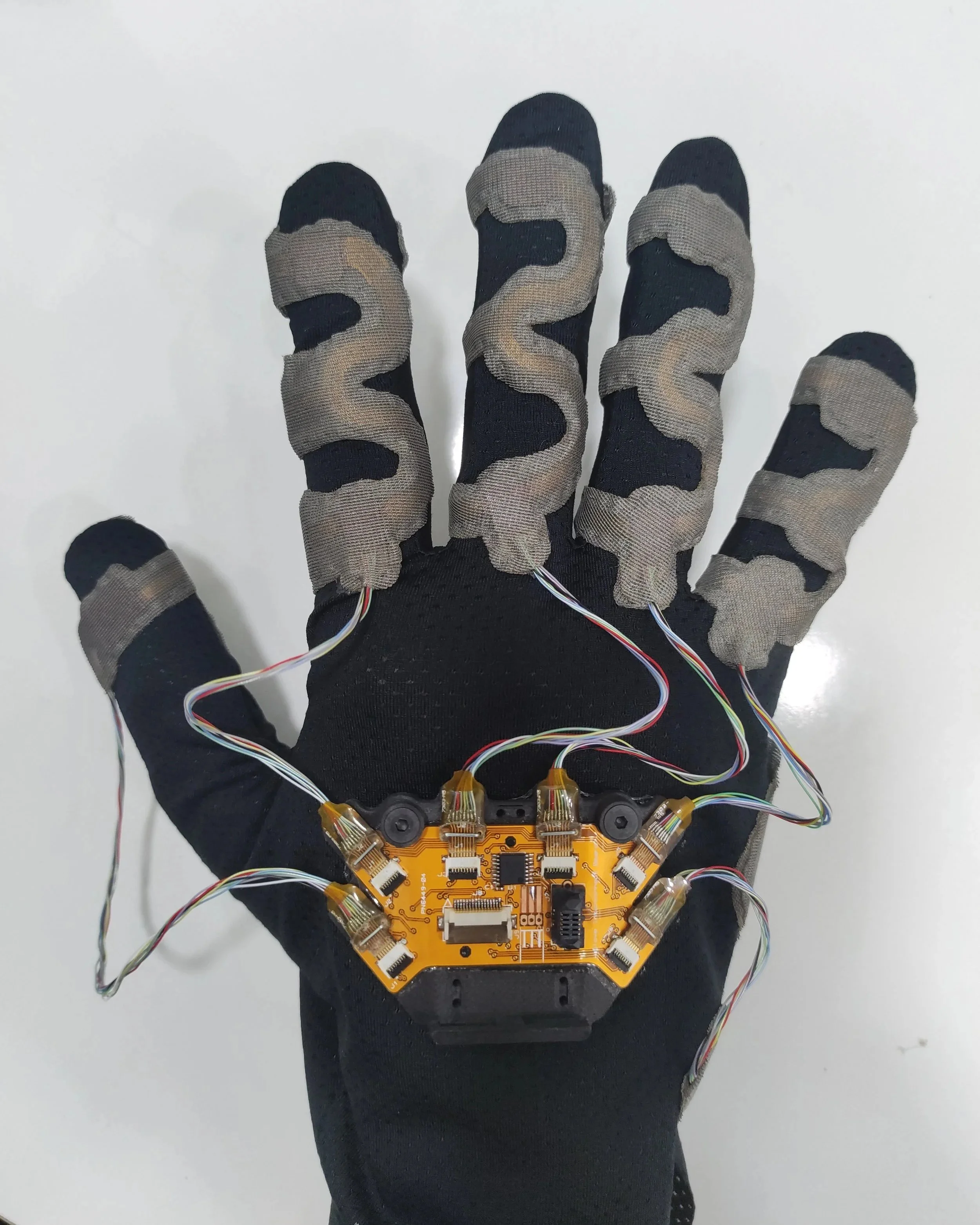
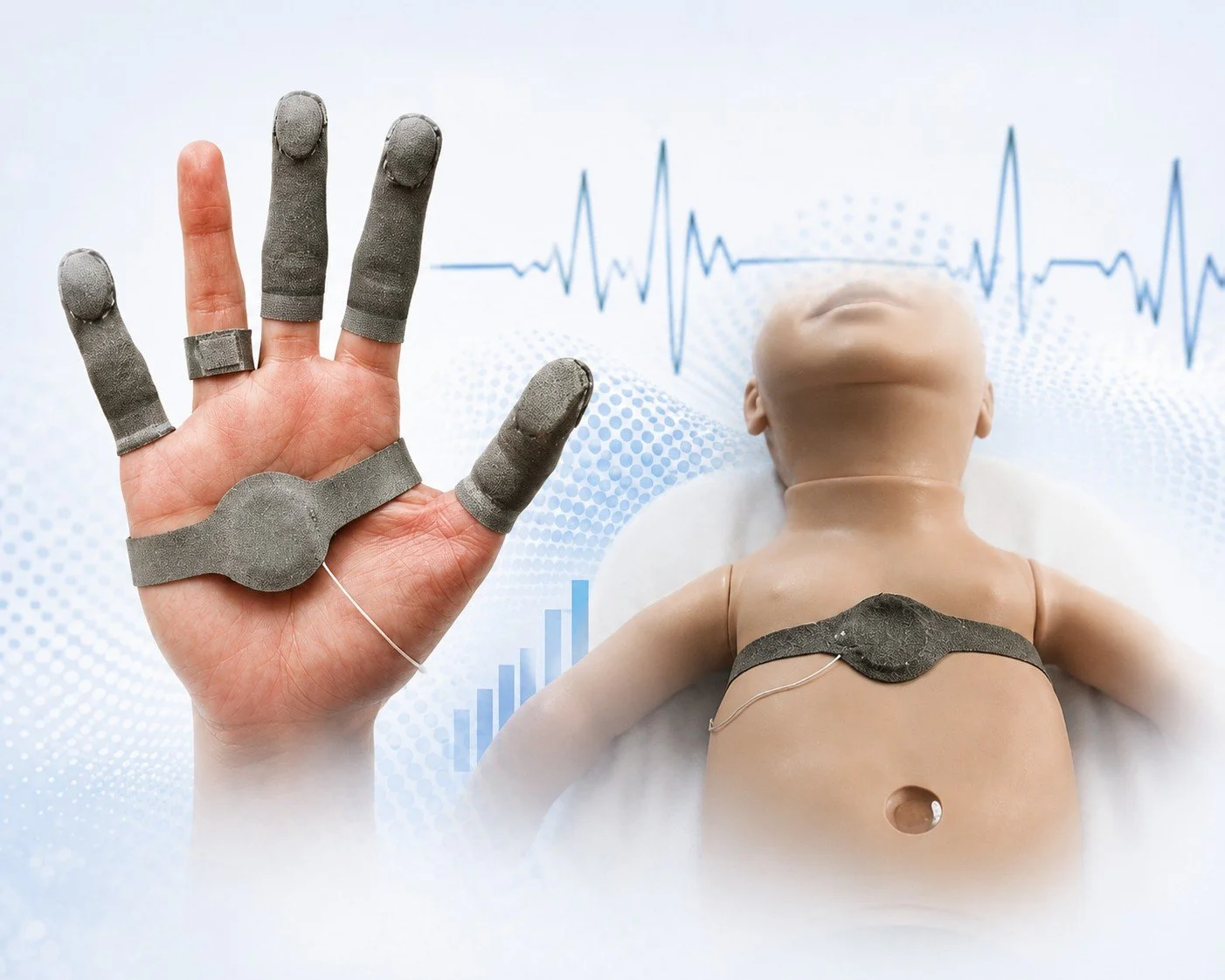
Tactile sensing is a valuable modality in the medical device industry. Pressure Profile System, Inc. (PPS) is a leading tactile pressure sensor company that has successfully created products and implemented measurement and instrumentation solutions for many applications in the Medical Device field. We can help your Company develop that next successful medical product! What sets us apart from other sensor companies is:
·We offer system solutions that require expertise in hardware and software development andsystem integration.
·Our technology offers not only the design flexibility that is required in the medical field, but also affordable prices.
·We have extensive experience with US and international regulatory bodies such as the FDA, CE, UL, and CSA, as well as meeting bio-compatibility and environmental testing requirements for cGMP and EMI/EMC/ESD.
Check out our new web page to read more about featured Case Studies, as well as download the New Brochure!
As part of Pressure Profile Systems’ efforts to continually reevaluate and improve our technology, we are discontinuing our ConTacts line of C500 analog output, discrete tactile sensors effective January 1, 2011. We will continue to honor all existing warranties and support our current customers, but we will no longer be accepting new ConTacts orders after December 31, 2010.
Current C500 customers may order additional sensors at a discount through the end of 2010. If your application uses C500 sensors, please contact us to discuss what sort of a tactile sensing solution is right for your application.
How do you measure something as elusive as the pressure of moving sprayed gases or liquids? Close to the nozzle, the force and area may be small and strong enough for conventional measurement devices, but spray patterns and pressures further away from the nozzle require highly sensitive sensors to capture accurate data. PPS has two different solutions for visualizing and characterizing spray patterns in different applications.
MEASURING AIR NOZZLE PRESSURES
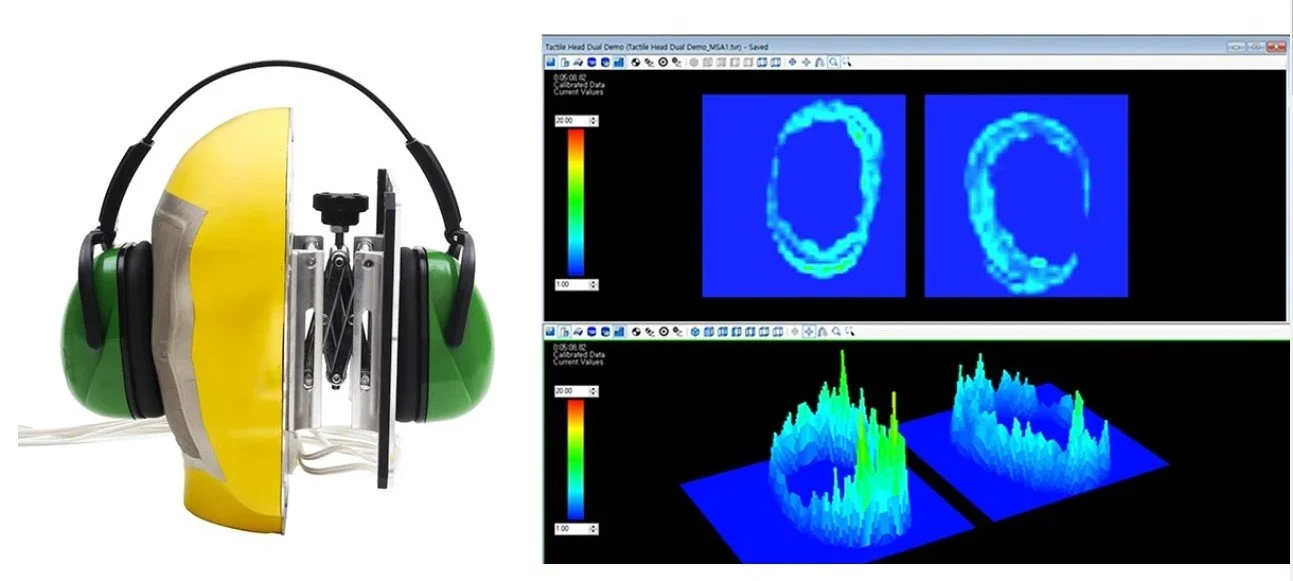
Even high spray pressures can produce extremely low contact pressures on the surface of the target area. PPS can provide high-resolution tactile sensing systems with enough sensitivity to measure very subtle differences in flow. Our tactile sensors have been used to monitor cleaning processes during the assembly of magnetic media, and even for rating the safety of pepper-spray weapons! Watch the measuring air spray pressures video.
MEASURING FLUID ACCUMULATION IN COATING PROCESSES
For many coating processes, the mist may be so fine that there is virtually no actual impact pressure on the target object. For such applications, PPS has developed a new type of capacitive array sensor that images the total amount of fluid accumulated. This new technology can be adapted into a variety of sizes and shapes to visualize your process. PPS Spray Application Case Study
If you like watching football with an ice cold brew, you’ll love watching how the PR2 robot can fetch those beers for you!
Click on image above to watch the video of PR2 fetching beers!
PPS has been collaborating for several years with the robotics experts at Willow Garage in Northern California to provide high resolution Tactile Sensors for their PR2 (Personal Robot 2).
The partnership is a perfect fit since PPS’ technology originated with a vision in the Robotics Laboratories of Harvard University to give robots the Human Sense of Touch! The remarkable design and purpose of the PR2 aims to “…enable people to make themselves more productive at home and at work”, by assisting them in their daily tasks.
Now, fetching a beer is fun to watch but you can imagine how the PR2’s grasping control, dexterity, and ability to identify and differentiate objects and surroundings can be applied to all sorts of other useful chores.
Watch this next video for a more detailed explanation and demonstrations of how Willow Garage maximized the data provided by our tactile sensors to make PR2 so very sensitive and intelligent with it’s grippers.
Click image above to watch video and find out more about Tactile Sensing in robots
To find out more about the PR2 and Joe Romano’s work on fine motor controls of the grippers using tactile information, check out the Willow Garage website.
To find out more about PPS Tactile sensors and other success stories in the robotics field, check out our site.
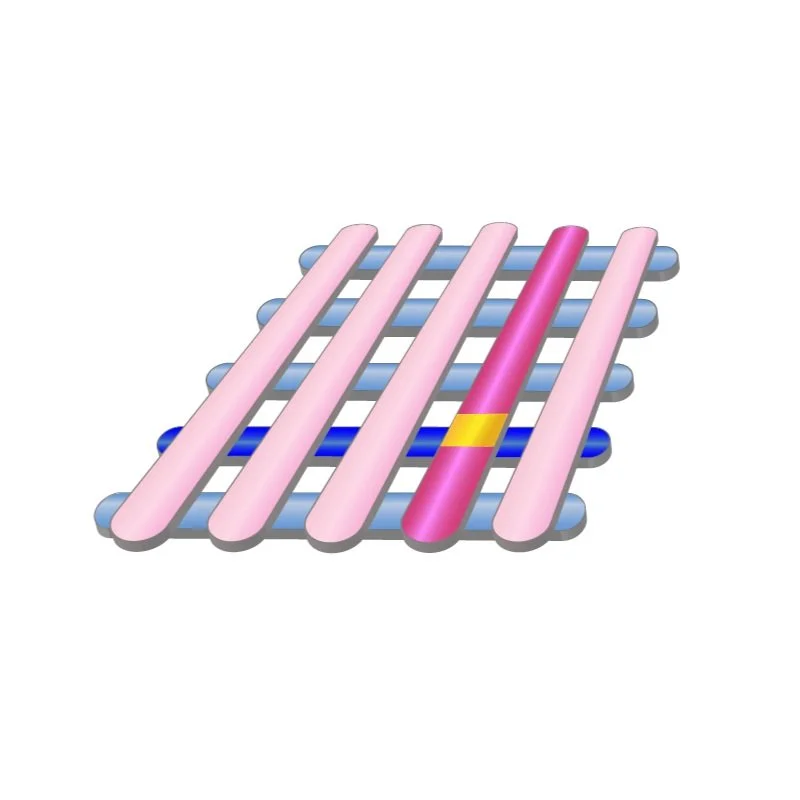
Unlike with some other tactile sensor designs, capacitive-based sensors do not have significant internal wear and tear under load. Since the scale of the deflections is so small, there is little chance for “set†in the material, thus reducing the frequency with which capacitive sensors must be calibrated.
Precision design and manufacturing techniques allow excellent repeatability and sensitivity, while advanced conductive materials allow for conformable, stretchable, industrial, and other hybrid sensor designs. The simplicity of the capacitive sensor design gives PPS a large degree of flexibility when creating custom sensor solutions.
The following table shows a comparison of capacitive sensors versus the two other most common approaches, resistive and piezoelectric tactile sensors.
David and Maria are back! And they are going to show you how PPS sensors can be used to visualize Pulse Waveforms!
Check out the video and find out more about it on our website.
PPS’s Pulse Waveform solution uses our DigiTacts technology, which means it features digital output in an embeddable design suitable for mass production. PPS can custom develop pulse sensing for your application with a variety of sensor layouts and probe designs, and you can use our API to integrate pulse measurement into your system for product development.
What happens after savoring and chewing your favorite foods is something most of us don’t think about, but for some people who have problems in this area, it’s a painful mystery which needs solving as quickly as possible.
Sierra Scientific Instruments (SSI) was looking to provide a significant upgrade to diagnostic technology available for esophageal motility, which is a test assessing the motor function of the esophagus. To answer this challenge, PPS worked in conjunction with SSI to develop a new kind of tactile sensor, which can be integrated into a flexible catheter and inserted into the throat.
The result of this effort produced the ManoScan 360, a 36-element catheter providing spatial resolution of nearly 10 times that of the previous state-of-the-art.
It’s not always easy to understand or visualize how tactile sensing can be used or improve an application… We hope these videos will help shed some light and also be fun to watch!
One of the advantages of capacitive tactile pressure sensors is the wide variety of design options available for materials and shapes. Â At Pressure Profile Systems, we take advantage of this through our four types of pressure sensor construction.
STRETCHABLE for TactArrays & FingerTPS
· Made of extremely soft and conductive Lycra
· Stretches 10% with negligible baseline shift· Thicker sensor, more limited in layout options
STRETCHABLE PRESSURE SENSOR for TactArrays & FingerTPS · Made of extremely soft and conductive Lycra · Stretches 10% with negligible baseline shift
· Thicker sensor, more limited in layout options
CONFORMABLE PRESSURE SENSOR for TactArray & ConTacts · Soft and flexible conductive cloth · Moldable to multi-curved surfaces
· Low-to-moderate pressures
INDUSTRIAL PRESSURE SENSOR for TactArray, ConTacts, & DigiTacts · Flat and rigid Kapton construction · Excellent for high temperatures and pressures
· Thinnest sensor material
HYBRID PRESSURE SENSOR for TactArray, DigiTacts, RoboTouch, & PulseTact · Kapton base with cloth upper electrode · Suitable for very complex designs · Low-to-moderate pressures
Whatever your needs, PPS engineers will work with you to design the most appropriate tactile pressure sensor for your application.
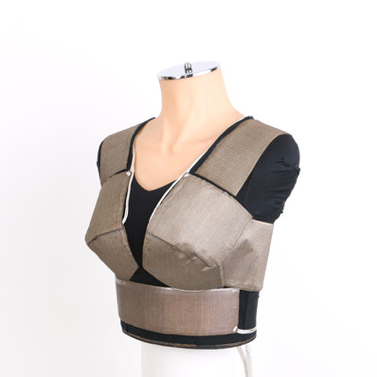
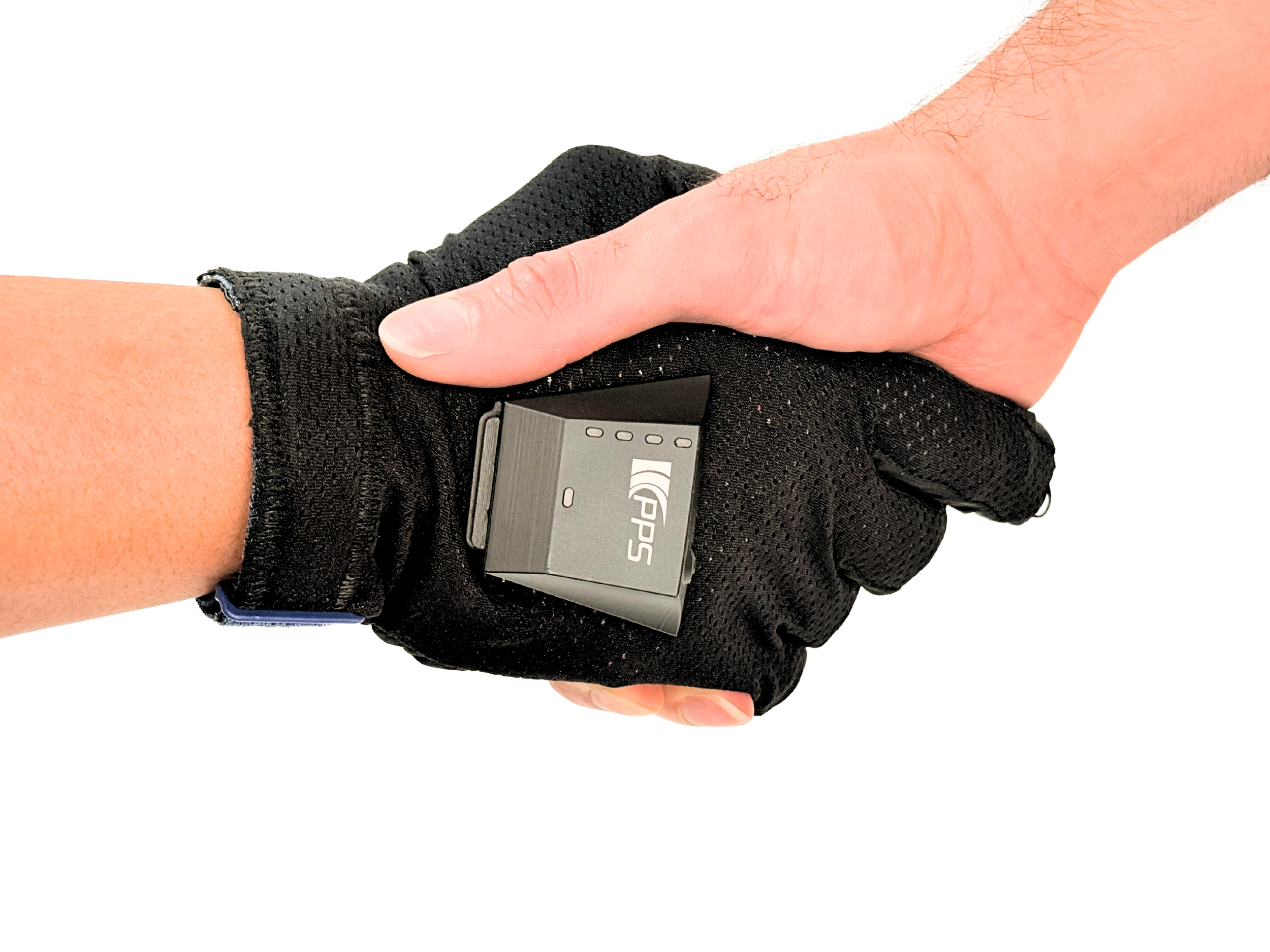
Many of today’s devices can benefit from the sense of touch. Â Pressure Profile Systems has successfully integrated it’s tactile pressure sensors into a variety of devices, including; consumer electronics, robotics and medical devices. Â With many years of experience, the PPS technical team currently designs and implements OEM solutions for a wide range of applications. Â Our pressure sensors have been embedded in mobile phones, breast cancer detecting devices, esophageal catheters and consumer robotics to name a few.
Our pressure sensors utilize numerous materials and technology platforms to best match our client’s requirements, and our electronics are highly adaptable  and can be integrated via standard protocols, such as USB, SPI, Bluetooth, ANT wireless, or even analog voltages.
Prototyping and pilot runs can be conducted in an efficient and flexible manner  and we have the capacity to produce pressure sensors in high volume at competitive costs, for clients requiring mass production.
Learn more about how PPS can help give your products a sense of touch.